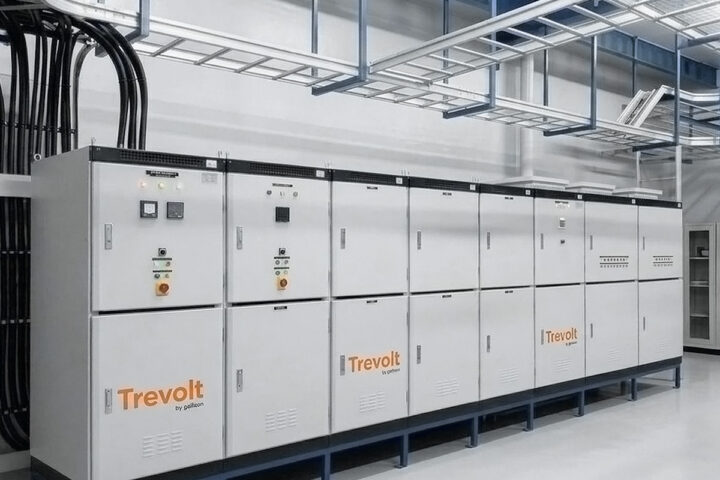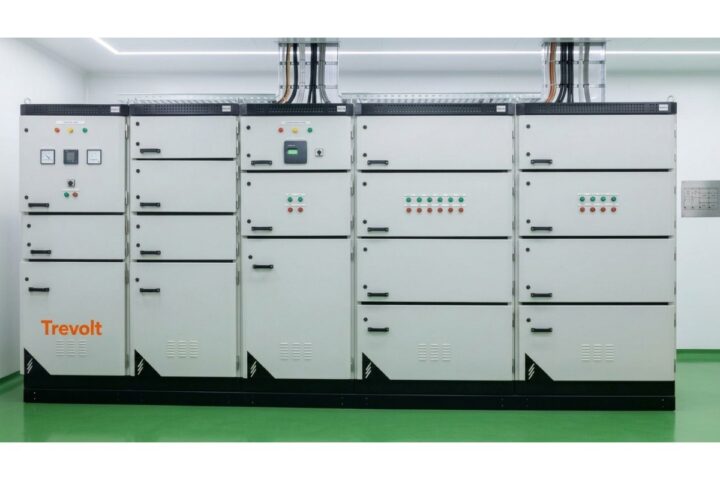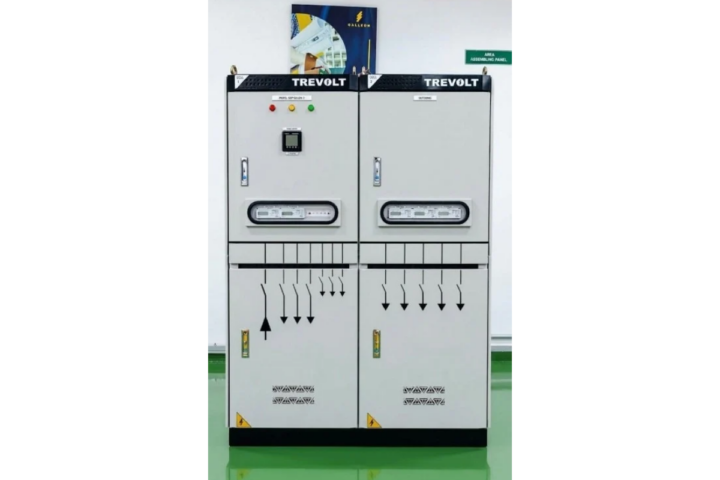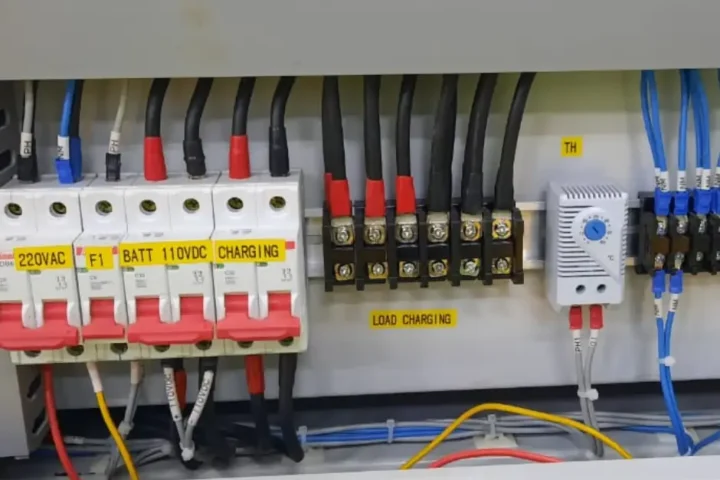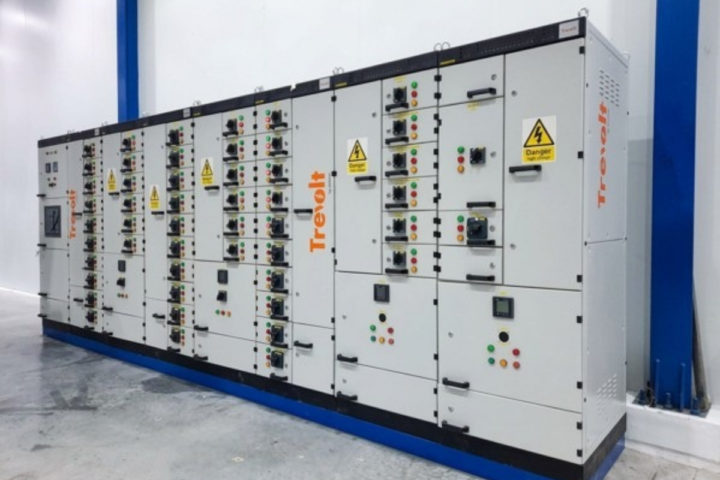


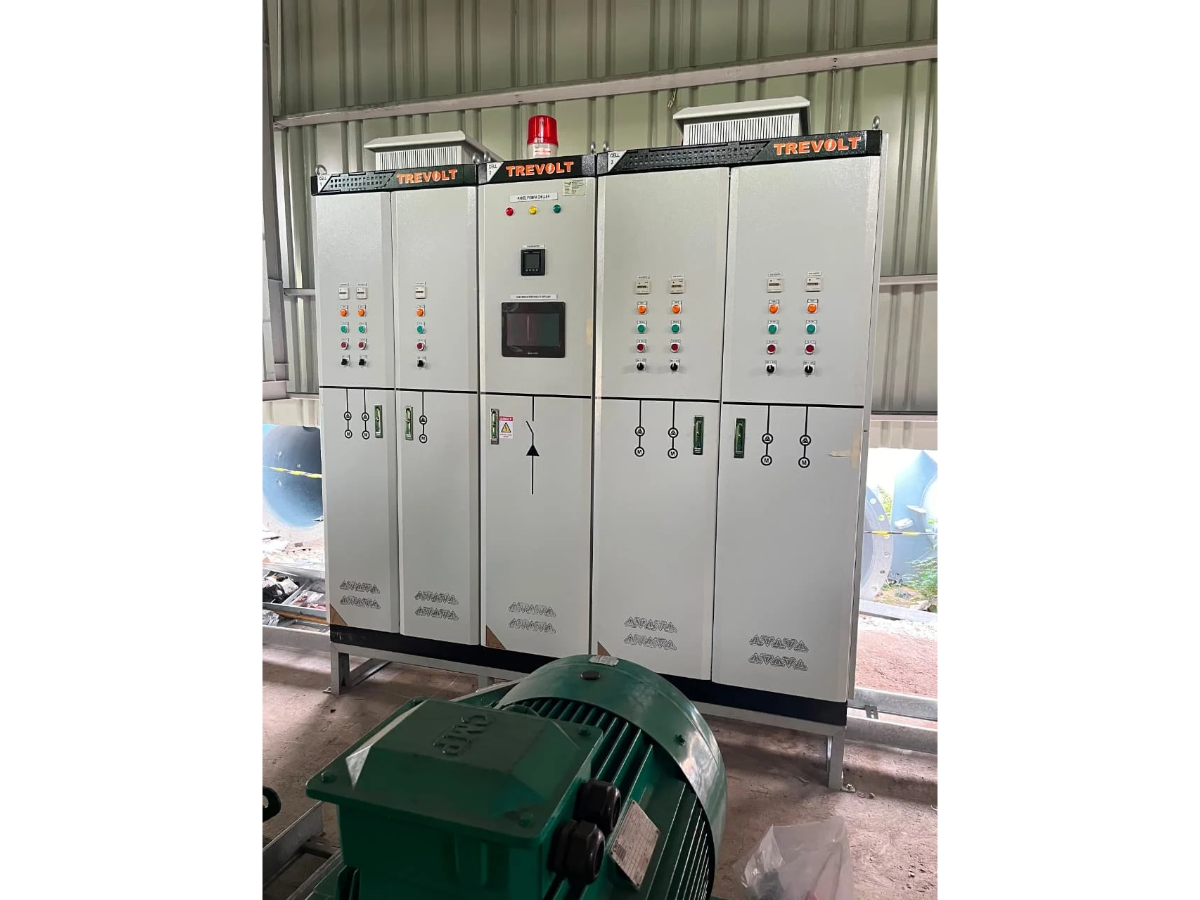
Low Voltage Panel (TREVOLT by Galleon)
Pump Control Panel
Description
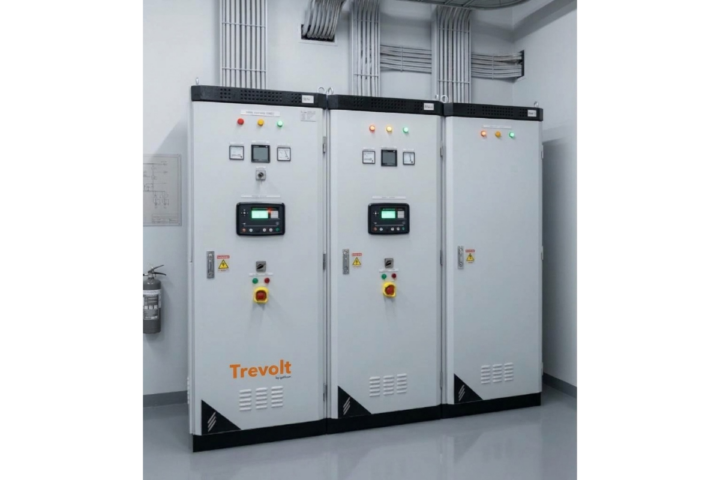
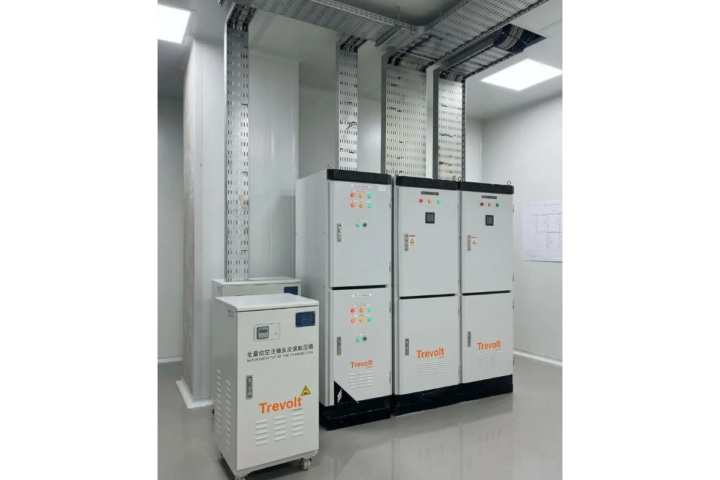
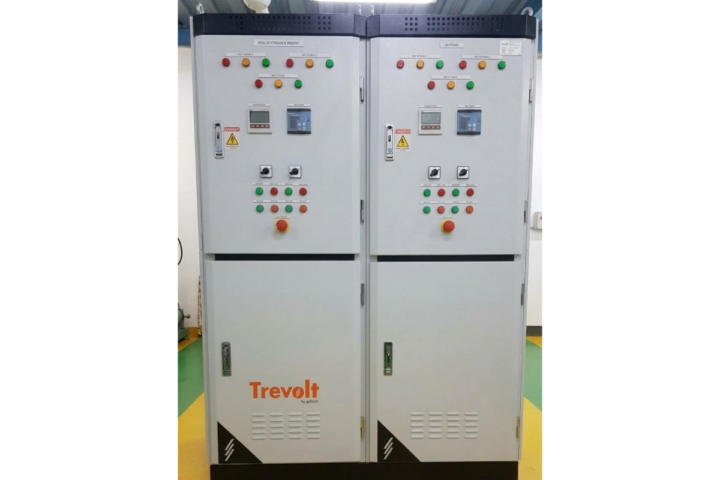
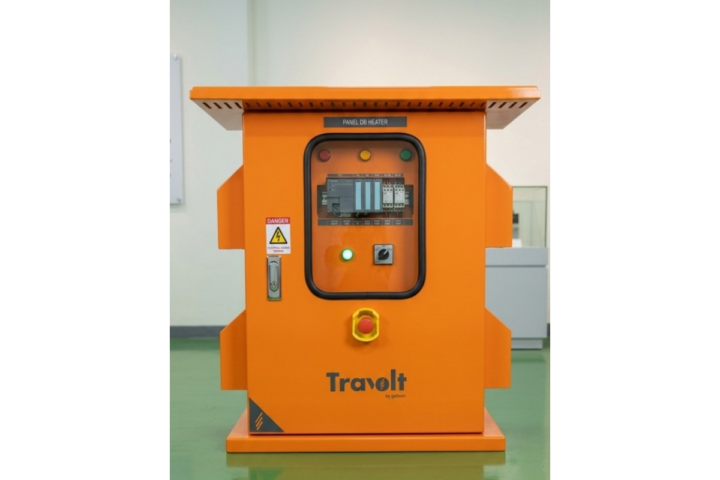
A Pump Control Panel is an electrical control and protection panel specifically designed to operate, regulate, and protect one or more water pump units (such as submersible pumps, transfer pumps, booster pumps, hydrant pumps, or deep well pumps), either automatically or manually.
Main Functions of a Pump Control Panel
- Automatic Pump Operation
- Pump Motor Protection
- Alternating Operation (Auto-Alternating)
- Monitoring and Alarm Indication
Advantages of a Pump Control Panel
- Prevents Fatal Motor Damage (Dry-Run Protection)
- Saves Energy and Water
- Extends Pump Service Life
- Easy to Operate
Types of Pump Control Panels by Function and Application
- Transfer Pump Panel
- Function: Controls pumps that move water from the lower storage tank (Ground Water Tank / GWT) to the upper storage tank (Roof Tank).
- Key Features: Uses a Water Level Control (WLC) sensor or float switch to stop the pump when the roof tank is full or when the GWT is empty (dry-run protection).
- Booster Pump Panel
- Function: Maintains stable water pressure in the distribution piping network (e.g., to hotel rooms, apartment units, or factory taps).
- Key Features: Uses a pressure switch or pressure transducer. Typically consists of 2 to 4 pumps that operate alternately or simultaneously when water demand is high.
- Submersible / Sump Pump Panel (Drainage Pump Panel)
- Function: Controls submersible pumps that discharge wastewater, rainwater, or standing water from wet areas or building basements (sumps) to the city drainage system.
- Key Features: Operates based on the water level in the sump (high level start, low level stop). Often equipped with a High Level Alarm to warn of flooding.
- Fire Hydrant / Sprinkler Pump Panel
- Function: Controls and safeguards the water supply system for building fire protection (hydrants and sprinklers).
- Unit Classification:
- Jockey Pump Panel: Maintains precise pressure in the hydrant piping against minor leaks.
- Electric Fire Pump Panel: Starts the main electric pump when a fire occurs (sharp pressure drop).
- Diesel Fire Pump Panel: Starts the backup diesel-engine pump if the building’s power supply fails.
- Deep Well Pump Panel
- Function: Controls submersible pumps used specifically to draw groundwater from great depths.
- Key Features: Equipped with insulation leakage protection and strict current limiting, since the pump is located deep underground.
Types of Pump Control Panels by Starting Method (Electrical Operation)
- Direct On Line (DOL) Panel
- Characteristics: Connects the supply voltage directly to the motor.
- Application: Used for small pumps (typically below [ ] kW / [ ] HP).
- Star-Delta Panel
- Characteristics: Reduces the initial inrush current by starting the motor in a Star configuration before switching to Delta.
- Application: Used for medium to large capacity pumps ([ ] kW up to [ ] kW).
- Soft Starter Panel
- Characteristics: Uses electronic components (thyristors) to raise the voltage gradually.
- Advantage: Prevents water hammer (excessive pressure surges in the pipes that can damage pipe joints and valves).
- VFD / Inverter (Variable Frequency Drive) Panel
- Characteristics: Precisely controls the motor’s rotational speed (RPM) by adjusting the electrical frequency.
- Application and Advantages: Highly energy-efficient. Commonly used in booster pumps to automatically adjust flow and pressure according to the number of taps opened.